
Setting It Level · Viral Post Fact Check ·
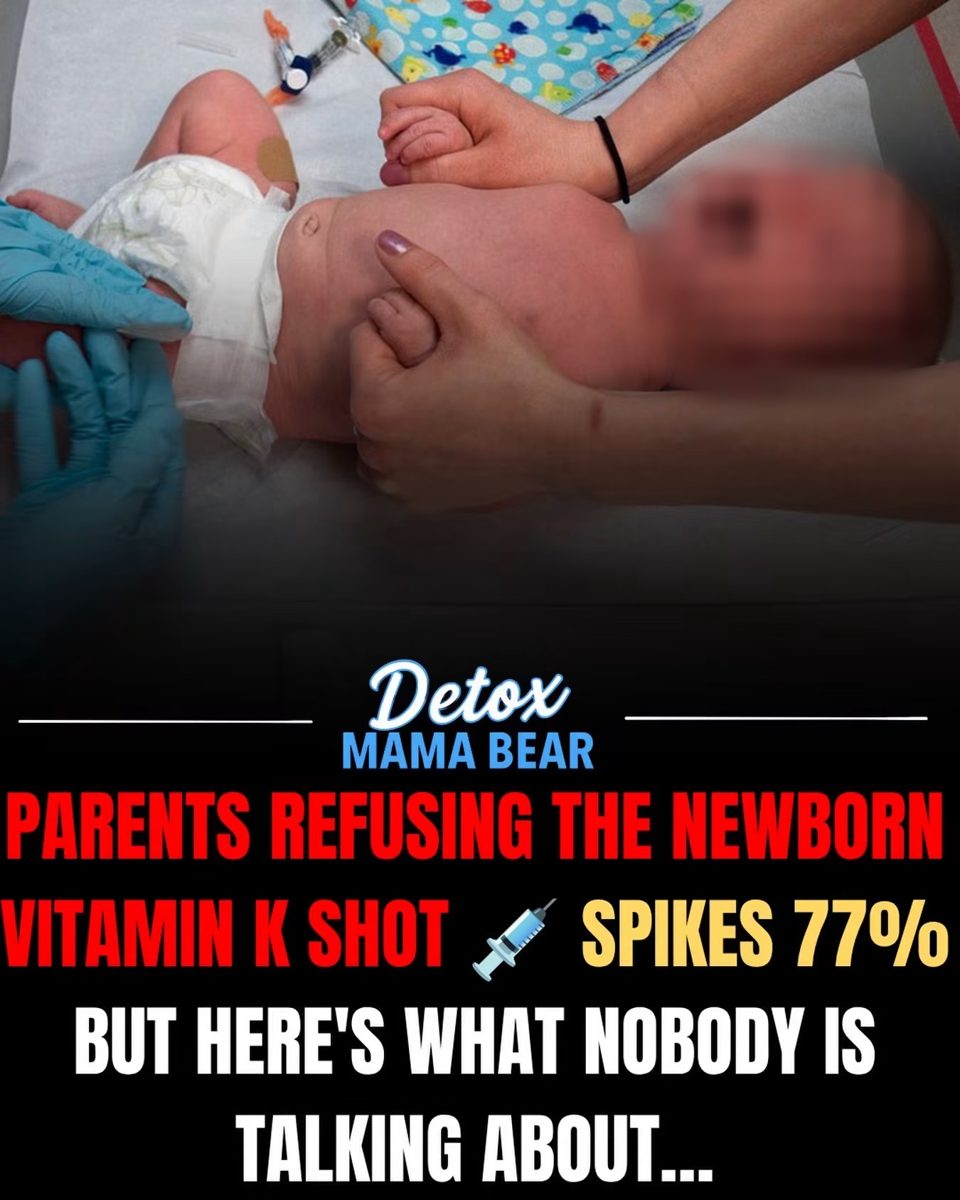
Parents refusing the newborn vitamin K shot spikes 77%.
What We Found
The 77% number is real. A JAMA study published Dec. 8, 2025 looked at more than 5.1 million newborns at 403 U.S. hospitals from 2017 to 2024. The share of newborns who did not receive the vitamin K shot rose from 2.92% to 5.18%, a 77% relative increase.
What was measured: babies who did not receive the shot, not parents who refused it. The study had no data on reasons. The authors say refusal is likely the major contributor, and an NIH summary says the same, but the data can't confirm it. In absolute terms, the rise is about 2.3 percentage points.
What wasn't measured: the study did not count vitamin K deficiency bleeding (VKDB) cases, so it can't say whether the trend has led to more bleeding. The authors say that needs further study. The data covers hospital births at 35 weeks or later, and home births weren't captured.
What medical sources say: the American Academy of Pediatrics recommends that newborns receive a single vitamin K injection within 6 hours of birth, and says oral vitamin K is less effective at preventing late bleeding. The CDC says babies who don't get the shot are 81 times more likely to develop late VKDB, which is rare (about 1 in 14,000 to 1 in 25,000 infants overall) but can cause bleeding in the brain. The CDC says to talk with your healthcare provider if you have concerns.
Sources
- JAMA, "Trends in Vitamin K Administration Among Infants" (Dec. 8, 2025) (opens in new tab)
- NIH Research Matters (opens in new tab)
- Children's Hospital of Philadelphia (opens in new tab)
- NBC News (opens in new tab)
- CDC, About Vitamin K Deficiency Bleeding (opens in new tab)
- CDC, FAQ (opens in new tab)
- AAP, "Vitamin K and the Newborn Infant" (Pediatrics) (opens in new tab)
We rate claims, not people. If we got something wrong, email [email protected].